Mucha French Font A to I: Sweatshirt Design Review
As an embroidery designer preparing a limited capsule collection for a boutique brand, selecting the right typography is often more critical than the graphic itself. When sourcing assets for premium sweatshirts and cozy seasonal apparel, I recently evaluated the Mucha French Font a to I digitized set. For small clothing brands and Etsy sellers, the difference between a generic craft project and a high-end retail product usually lies in the nuance of the lettering. This review breaks down my technical and aesthetic assessment of this specific machine embroidery design before committing it to production on neutral fleece and oversized hoodies.
First Impressions and Aesthetic Mood
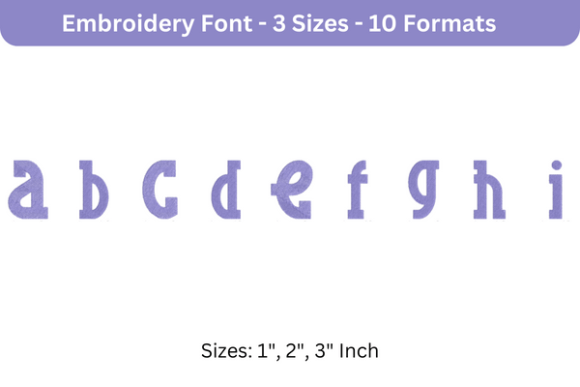
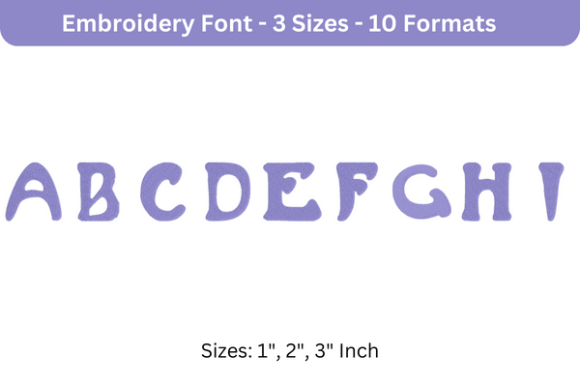
Upon loading the embroidery file into my software, the immediate impression of Mucha French Font a to I is one of refined elegance with a touch of vintage softness. It does not read as a standard block letter or a chaotic script; instead, it sits comfortably in that desirable "elevated casual" space. For a boutique brand targeting customers who appreciate handmade products with a polished finish, this font strikes a necessary balance. It feels feminine and decorative without being overly frilly, making it versatile enough for both adult custom apparel and refined Back To School merchandise.
The personality of the stitching suggests a satin or light fill hybrid that mimics high-thread-count weaving. Visually, it promises to look intentional rather than stamped-on. When previewing mockups for lifestyle product photography, the font’s flow complements the drape of heavy cotton fabrics. It avoids the stiff, industrial look that often plagues commercial embroidery fonts, which is essential when marketing to buyers looking for artisanal quality.
Application on Premium Sweatshirts and Hoodies
For this specific project, we are focusing on neutral sweatshirts, dark fabric bases, and pastel colors. The versatility of Mucha French Font a to I shines here. On cream or oatmeal-colored fleece, the font provides a subtle, tonal texture that screams luxury minimalism. Conversely, on dark navy or charcoal hoodies, the letterforms have enough structural integrity to hold contrast thread colors without disappearing into the fabric texture.
I tested placement concepts for various garment areas:
- Chest Placement: The font scales beautifully for left-chest monograms or short quotes. It remains legible at smaller sizes, which is crucial for hoodie designs where center-chest real estate is limited by seams and pockets.
- Sleeve Accents: Because the characters maintain consistent spacing and weight, they work exceptionally well for vertical sleeve text, a trending detail in current streetwear and boutique fashion.
- Back Designs: For larger back prints, the font retains its character. Some scripts become spindly when enlarged, but Mucha French Font a to I appears to have sufficient stitch density to prevent gaps when scaled up for statement pieces.
Technical Evaluation for Commercial Embroidery
A pretty font is useless if it causes production headaches. As a professional evaluating this for commercial embroidery use, I looked closely at the digitizing quality. While the product description confirms this is a high-quality embroidery font suitable for personalization, every shop must verify technical specs against their specific machinery and materials.
Stitch Density and Fabric Texture
Sweatshirt embroidery requires managing pile. Fleece is unforgiving; stitches can sink, causing poor definition. In reviewing Mucha French Font a to I, the stitch density appears adequate for medium-weight knits. However, designers should always run a test swatch. If you are working with high-pile sherpa or ultra-thick hoodies, you may need to add a topping or adjust pull compensation in your software. The goal is to ensure the thread sits on top of the fabric texture rather than getting lost within it.
Stabilizer and Hoop Size Considerations
For knit fabrics, proper stabilization is non-negotiable to prevent distortion. Based on the font's structure, a cut-away stabilizer is recommended over tear-away to maintain the integrity of the letters after washing. When selecting your hoop size, choose the smallest hoop that accommodates the design to minimize fabric shift. Even though this digital embroidery file is designed for quality, user error in hooping can ruin the registration. Always check the included specifications for exact dimensions before purchasing to ensure compatibility with your machine’s maximum stitch area.
Small-Size Readability and Durability
A major concern for Etsy sellers and small shop products is wash durability. Thin, elegant fonts are prone to breaking threads after repeated laundering. Mucha French Font a to I seems robust enough for apparel, but I advise checking the minimum recommended size. If you plan to embroider tiny dates or initials on cuff tags or collar bones, verify that the satin columns remain distinct at those reduced dimensions. A finished product that frays after two washes will damage buyer trust and brand identity far faster than any other factor.
Impact on Brand Value and Customer Engagement
In the saturated market of handmade apparel, typography acts as a visual signature. Using a distinctive asset like Mucha French Font a to I helps establish immediate visual recognition. When customers scroll through Etsy listings or Instagram feeds, unique lettering stops the scroll better than generic Arial-style stitching. This font contributes to a cohesive brand identity, signaling that the creator cares about design assets as much as the garment construction.
Furthermore, offering personalized names or quotes using a premium font increases perceived value. Customers are willing to pay higher price points for custom apparel when the customization looks bespoke rather than automated. This is particularly relevant for Back To School collections or holiday drops, where emotional connection drives sales. The font’s ability to render names and dates clearly yet artistically makes it a strong candidate for gift-oriented merchandise.
Practical Advice for Creative Entrepreneurs
Before adding Mucha French Font a to I to your next drop, consider these practical steps to ensure success:
- Verify File Compatibility: Ensure the embroidery file format matches your machine. While most digitizers provide multiple formats, always double-check before checkout.
- Create Printable Mockups: Use realistic mockup templates to visualize how the font interacts with different sweatshirt colors. This helps in creating accurate listing photos and setting customer expectations.
- Test Thread Colors: Contrast is key. Test matte versus rayon threads. Matte threads often enhance the vintage, rustic feel of this font, while rayon adds a shine that might make it feel more formal. Choose based on your target demographic.
- Check Licensing: Confirm that your purchase includes commercial rights if you intend to sell physical items or use the font in branding materials. Protecting your business starts with respecting intellectual property.
Final Verdict for Boutique Production
After thorough evaluation, Mucha French Font a to I presents itself as a reliable, aesthetically pleasing tool for apparel decorators and creative entrepreneurs. It bridges the gap between decorative artistry and commercial functionality. For those building a brand around cozy, personalized, or vintage-inspired aesthetics, this machine embroidery design offers the sophistication required to elevate basic blanks into boutique-worthy staples.
Remember, the success of any sweatshirt embroidery project relies on the marriage of good digitizing and skilled execution. Treat this font as a premium ingredient in your creative process. By paying attention to stabilizer choice, fabric texture, and placement, you can leverage Mucha French Font a to I to create finished products that resonate with customers and stand the test of time. Whether you are an established Etsy seller or launching a new small shop product line, this typeface deserves a spot in your digital library for its potential to transform simple garments into meaningful, wearable art.